Consultation and Deliberation: Two Different Jobs
Consultation and deliberation serve different public decisions. Learn how to match each method to the question, schedule the work, and use contributions clearly.
Consultation and deliberation are often placed on the same public-engagement calendar, then treated as interchangeable. They are not. Consultation gathers views on a proposal; deliberation gives participants a structured way to compare options and weigh trade-offs together. The difference matters when a public agency must decide what question to ask, whom to involve, and what participants can reasonably influence.
What job does each method do?
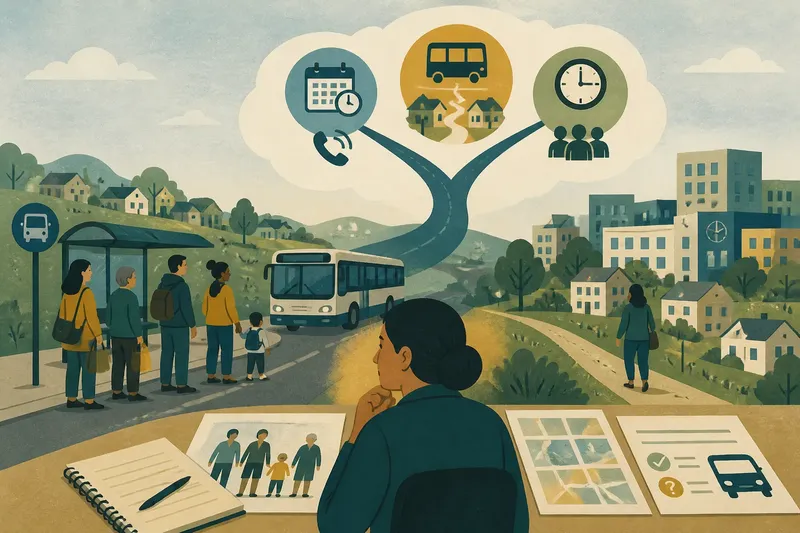
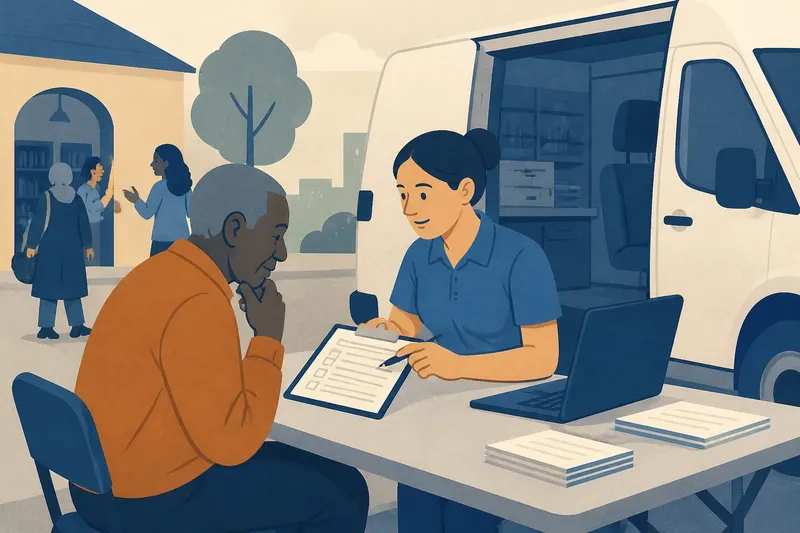
A consultation asks people to respond to a defined issue or proposal. A council might publish draft changes to a bus route and invite comments about access, timing, or effects on particular neighborhoods. Responses can identify overlooked consequences, test assumptions, or show where the proposal needs revision.
Deliberation is designed for a harder task: considering competing options in light of evidence and shared constraints. Participants receive balanced information, hear different perspectives, ask questions, and discuss trade-offs before expressing a considered view. The aim is not unanimity. It is a more informed judgment than a quick reaction can provide.
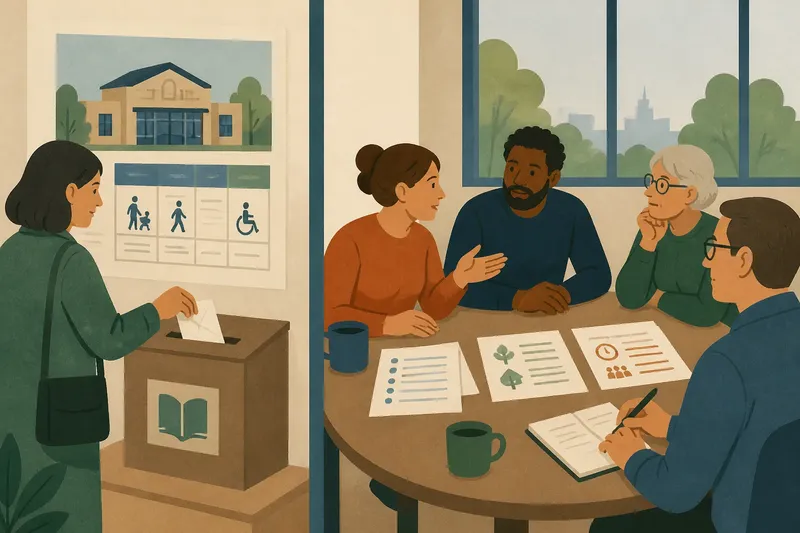
Think of consultation as a suggestion box attached to a specific decision, and deliberation as a meeting around a table where the options and their costs are examined together. The box can reveal a missing concern; the table can help people judge what to do with it.
Which decision are you asking people to inform?
Start by writing down the decision-maker, the decision, and the point at which public input can still affect it. If officials are choosing between several workable options, deliberation may help them understand how people weigh those choices. If the proposal is substantially formed and the agency needs to find impacts, objections, or amendments, consultation may fit better.
Be precise about the limits. Participants may be able to shape route details without deciding the entire transport budget. A public body should say what is open to change, what is constrained by law or funding, and who makes the final decision. Otherwise, an invitation to contribute can sound broader than the authority behind it.
Say you are planning a hypothetical change to a neighborhood library’s opening hours. If the main question is whether a draft schedule overlooks caregivers, shift workers, or users with limited mobility, a written consultation can gather targeted responses. If the decision is whether to prioritize evening access, weekend access, or staffing stability under a fixed budget, a facilitated deliberation can help participants consider the trade-offs. In either case, the agency should explain how the final schedule will be chosen.
How should a public body plan the work over a week?
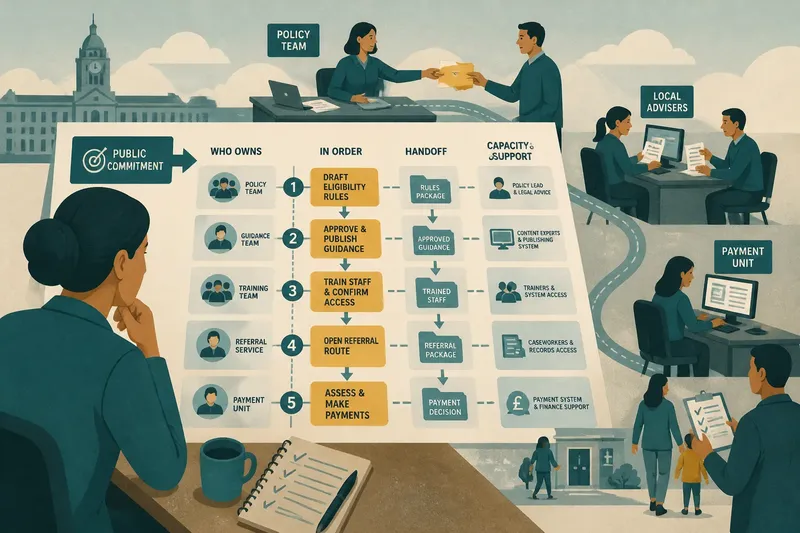
A week can be a realistic preparation period for a modest engagement when the decision and supporting material are already clear. It is not enough time to invent a process for a complicated or high-stakes question. Use the period to make the purpose legible and remove avoidable barriers.
- Monday: Define the decision. Record what is being decided, who has authority, which options remain open, and when the decision is due.
- Tuesday: Choose the method. Use consultation for responses to a proposal; use deliberation when participants must compare options and consider trade-offs. If both jobs are necessary, explain how the stages connect.
- Wednesday: Prepare the materials. For consultation, provide the proposal and focused questions. For deliberation, provide accessible background, the realistic options, relevant constraints, and a way to ask for clarification.
- Thursday: Check access and recruitment. Consider who is affected, which groups may be missing, language and disability access, meeting times, and alternatives for people who cannot attend in person.
- Friday: Publish the invitation and process. State how to participate, what the agency will do with contributions, the decision timetable, and where updates will appear.
The schedule should not turn participation into a Friday deadline with no room to respond. Allow a suitable response period for the subject and the people affected. If an event is required, tell participants what preparation is expected and provide the material early enough to use.
What should happen after people contribute?
For consultation, sort responses by issue rather than treating the largest pile of comments as the whole public view. A clear report can distinguish repeated concerns, distinct experiences, proposed changes, and matters outside the decision’s scope. It should also explain whether the proposal changed and why.
For deliberation, record the information participants received, the options discussed, the main considerations raised, and the conclusions they reached. Avoid presenting a group’s considered recommendation as a vote of the entire public. It is one input to the decision, not a substitute for the responsible body’s judgment.
In both cases, close the loop. Publish a plain-language account of what was heard, how officials considered it, and what happens next. If a suggestion cannot be adopted, explain the relevant constraint rather than leaving contributors to infer that their response vanished into an administrative cupboard.
What do people ask about consultation and deliberation?
Can consultation and deliberation be used together?
Yes, if each has a distinct purpose. Consultation can surface concerns about a proposal, while a later deliberative process can help participants compare revised options; explain how the first stage shapes the second.
Does deliberation require participants to agree?
No. Participants can reach a recommendation, record areas of agreement, and preserve unresolved differences. The process should make those distinctions visible rather than smoothing them into an artificial consensus.
Is an online survey a consultation?
It can be one way to collect consultation responses, especially when the questions concern a defined proposal. A survey alone usually does not provide the shared information, discussion, and weighing of options that deliberation requires.
Who makes the final decision after public input?
That depends on the authority responsible for the policy, and the invitation should name it. Participants contribute views or considered recommendations; elected officials, public agencies, or another authorized body remain accountable for the decision within their remit.
How can you tell whether the method fitted?
Review the process against its original purpose. Did the questions match the decision? Could affected people take part? Were participants given enough information to understand the choices? Did the final account show what changed, what did not, and why?
Consultation and deliberation work best when the method follows the decision rather than the convenience of the calendar. Before announcing either, write one sentence describing what public input can change. If that sentence is difficult to produce, the process needs more design before anyone is invited in.